Description
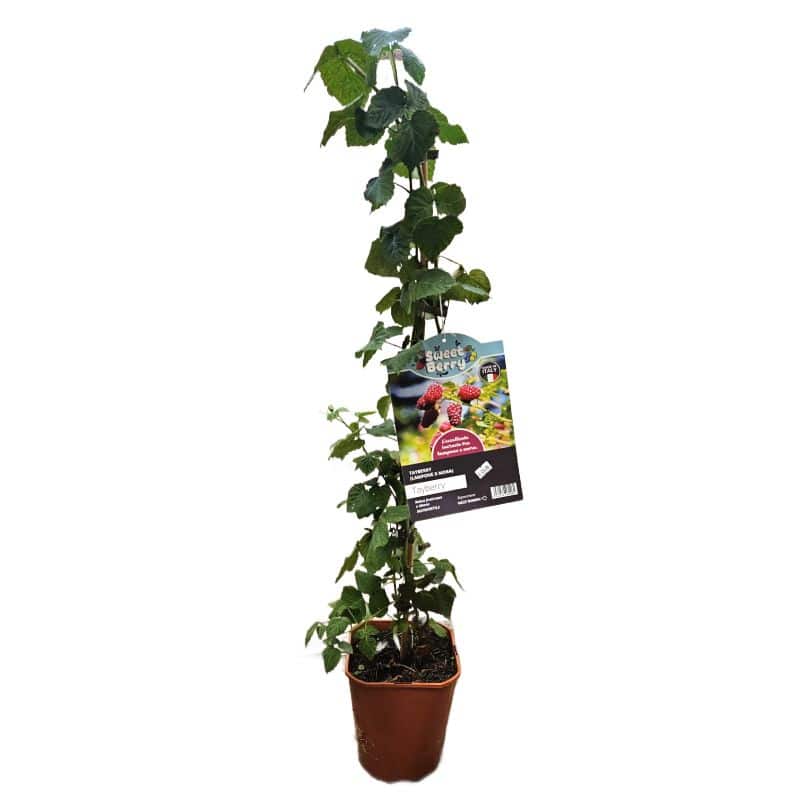
Tayberry is a vigorous fruiting cane created from a cross between a blackberry and a red raspberry. It produces large, elongated, deep-red fruits with a rich sweet-tart flavour and can be grown successfully in Malta with regular summer watering and some protection from the most intense heat.
💧 Watering
Keep the soil consistently moist during active growth, flowering, and fruit development. Tayberries are not particularly drought-tolerant, so regular deep watering is important during Malta’s hot, dry spring and summer months. Mulching around the base helps conserve moisture and keep the roots cooler. Avoid waterlogging.
☀️ Light
Grow in full sun to partial shade. Good sunlight is important for flowering, fruit development, and sweetness, but in Malta a position receiving morning sun and some protection from the strongest afternoon summer heat can be beneficial. This is particularly useful for container-grown plants.
🍃 Foliage / Growth
Tayberry is a vigorous, deciduous plant that produces long arching canes and generally fruits on canes that grew during the previous season. The berries develop from flowers in spring and ripen to a deep red or reddish-purple colour.
Provide a sturdy trellis or wire support and tie in new canes as they grow. After harvesting, cut the canes that have fruited back to ground level and retain healthy new canes for the following year’s crop. Depending on the cultivar, stems may have small thorns.
🪴 Potting Mix
Plant in fertile, organic-rich, well-draining soil that retains moisture without becoming waterlogged. Incorporating compost or well-rotted organic matter helps improve both fertility and moisture retention. For container growing, choose a large pot with good drainage and a high-quality fruit or general-purpose potting mix.
🌿 Fertilizer
Apply a balanced fertilizer or well-rotted compost in late winter or early spring as new growth begins. An additional feed formulated for fruiting plants can be applied as flowering and fruit development begin. Avoid excessive nitrogen, which can encourage vigorous leafy growth at the expense of fruit production.
🐕🐈 Pet Safety
Tayberry fruit is generally considered non-toxic to cats and dogs. However, pets should not be encouraged to consume large quantities, as excessive fruit may cause digestive upset. Thorny cultivars can also cause physical injury to curious pets.
🌬️ Air Purifying
Tayberry is primarily valued as an edible fruiting plant rather than for specific air-purifying properties. Its flowers provide resources for bees and other pollinating insects, making it a useful addition to an edible and wildlife-friendly garden.