Winter in Malta may be mild compared to much of Europe, but it can still be a challenging season for houseplants. Shorter days, cooler temperatures, increased humidity, and less airflow all affect how indoor plants grow and behave. With a few simple adjustments, you can keep your houseplants healthy, attractive, and thriving until spring.
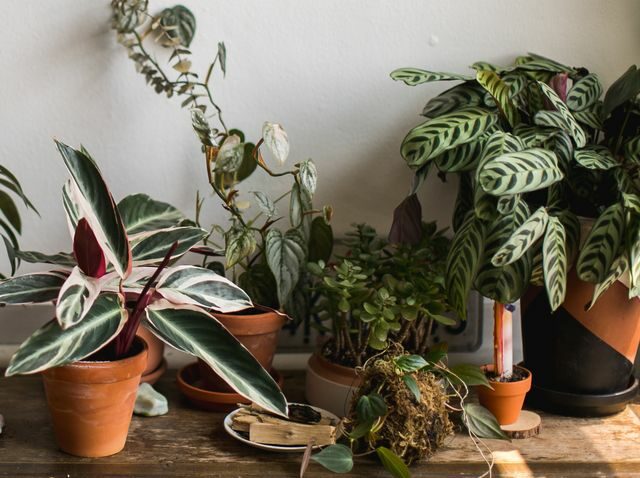
1. Understand How Maltese Winters Affect Houseplants
Although frost is rare, winter in Malta brings:
-
Shorter daylight hours
-
Cooler indoor temperatures, especially at night
-
Higher humidity, particularly in coastal areas
-
Less ventilation as windows are kept closed
These conditions slow down plant growth. Most houseplants enter a semi-dormant phase, meaning they need less water, less feeding, and more stability.
2. Adjust Your Watering Routine
One of the most common winter mistakes is overwatering.
During winter:
-
Water plants less frequently
-
Always check the soil before watering — the top few centimetres should be dry
-
Empty saucers after watering to prevent root rot
Plants like snake plants, succulents, cacti, and ZZ plants are especially sensitive to excess moisture in winter. On the other hand, ferns and peace lilies may still need slightly more consistent moisture but never soggy soil.
💡 Tip: Cooler temperatures mean water evaporates more slowly, so plants stay wet longer.
3. Maximise Natural Light
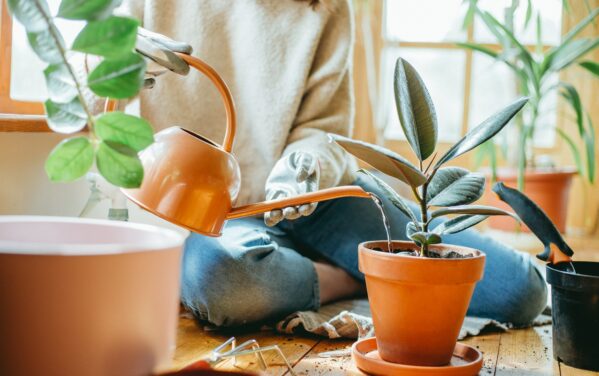
Winter sun in Malta is gentler, but daylight hours are shorter. Light is often the limiting factor for healthy growth.
-
Move plants closer to windows, especially south- or west-facing ones
-
Keep windows clean to maximise light
-
Rotate plants every couple of weeks for even growth
If you notice leggy growth or pale leaves, your plant may be asking for more light.
4. Be Mindful of Temperature Changes
Most houseplants prefer temperatures between 15–24°C.
Avoid placing plants:
-
Near cold draughts or open windows at night
-
Too close to heaters or fireplaces
-
In unheated rooms that cool down significantly overnight
Tropical plants such as monsteras, philodendrons, and calatheas are especially sensitive to sudden temperature drops.
5. Reduce or Stop Feeding
Houseplants grow more slowly in winter, so they don’t need as much nutrition.
-
Stop fertilising most plants from late autumn to early spring
-
Resume feeding gradually as daylight increases
Continuing to fertilise in winter can lead to salt build-up in the soil and weak, unhealthy growth.
6. Watch Out for Pests and Fungal Issues
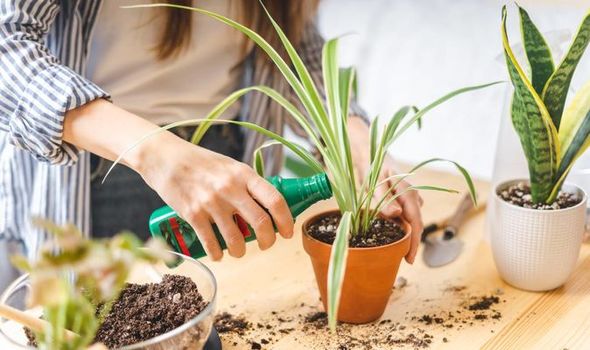
Winter conditions in Malta – mild temperatures and higher humidity, can encourage pests and fungal problems.
Look out for:
-
Spider mites, especially in dry indoor air
-
Mealybugs and scale insects
-
Mould or fungus on soil surfaces
Check plants regularly, especially leaf undersides, and act early. Improving airflow and avoiding overwatering are the best preventative measures.
7. Increase Humidity (When Needed)
8. Winter Is Perfect for Maintenance
Winter is an excellent time for gentle plant care:
-
Wipe dust off leaves so they can photosynthesise efficiently
-
Remove yellow or damaged leaves
-
Check pots for drainage issues
-
Plan repotting for spring
In Summary
Caring for houseplants in winter in Malta is all about doing less, but doing it well. Reduce watering and feeding, provide as much light as possible, protect plants from temperature extremes, and keep an eye out for pests.
With the right care, your houseplants will come through winter strong, healthy, and ready to flourish when spring arrives.
If you’re unsure about a particular plant or need winter-friendly supplies, our team at the garden centre is always happy to help 🌱