Description
💧 Watering
Water when the top 2–3 cm of soil feels dry. In Malta’s humid winters, you might only water every 10–14 days, but during a hot summer, you’ll likely need to step it up to once or twice a week. Unlike its gloriosum parent, it is a bit more forgiving if you forget a day, but it still hates “wet feet.”
☀️ Light
Thrives in bright, indirect light. To see that signature copper-red color on the new leaves, it needs good light levels. A spot near an east-facing window is ideal. Avoid the harsh Maltese afternoon sun, which will bleach the deep green leaves and ruin the “glory.”
🍃 Foliage / Growth
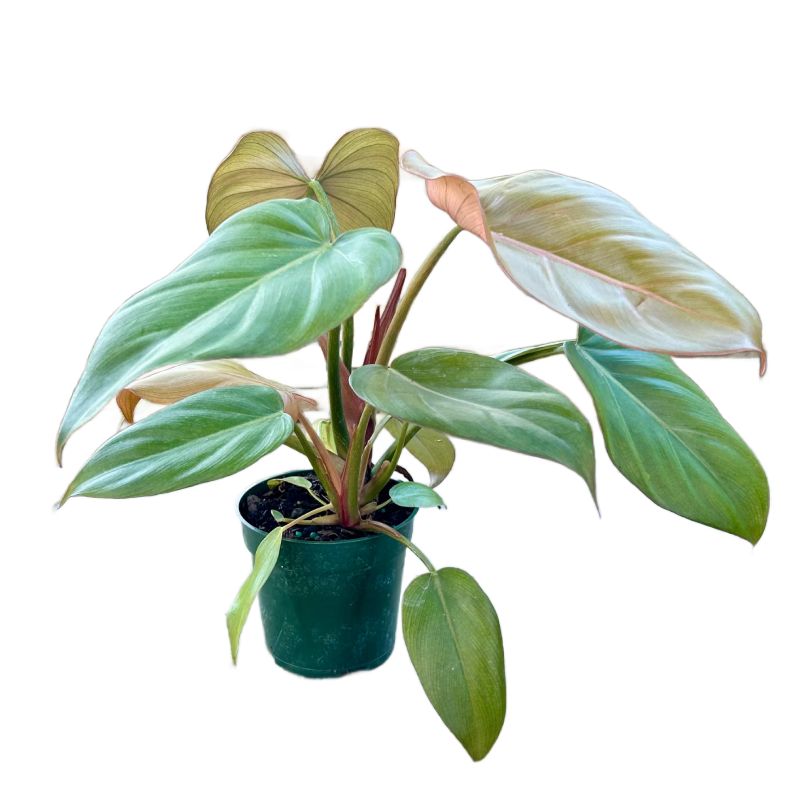
The showstopper! New leaves emerge in a brilliant, burnt-orange or copper color before maturing into a deep, glossy green with prominent pale veins. It is a “self-heading” or crawling Philodendron, meaning it grows horizontally along the soil rather than climbing up a pole.
🪴 Potting Mix
Needs a “chunky” aroid mix. Combine standard potting soil with plenty of orchid bark, perlite, and charcoal. This mimics the airy forest floor and is crucial in Malta to prevent the soil from becoming a heavy, compacted mass during our humid autumns.
🌿 Fertilizer
Feed with a balanced liquid fertilizer at half-strength once a month during spring and summer. It is a moderate grower, so giving it those extra nutrients will help produce larger, more dramatic leaves.
🐕🐈 Pet Safety
Like most aroids, it contains calcium oxalate crystals, which are toxic to cats and dogs if chewed. It can cause swelling of the mouth and digestive upset, so keep it on a sturdy table out of reach of your pets.
🌬️ Air Purifying
Excellent at filtering indoor air. Its large, broad leaves are great for removing common toxins like formaldehyde and adding a boost of oxygen to your living space.
*Pictures shown may vary from actual product due to the live nature of the items. Some items may be out of stock for various reasons, we will issue a refund or offer alternatives should that be the case.
The Price is per one individual plant.