Description
💧 Watering
Water regularly during the growing season, allowing the top few centimetres of soil to dry slightly between waterings. Once established, Agapanthus is fairly drought-tolerant, but container-grown plants will need more frequent watering during Malta’s hot summers. Reduce watering in winter.
☀️ Light
Agapanthus grows best in full sun, where it will produce the most abundant flowers. It can tolerate light shade, but too little sunlight may reduce blooming.
🍃 Foliage / Growth
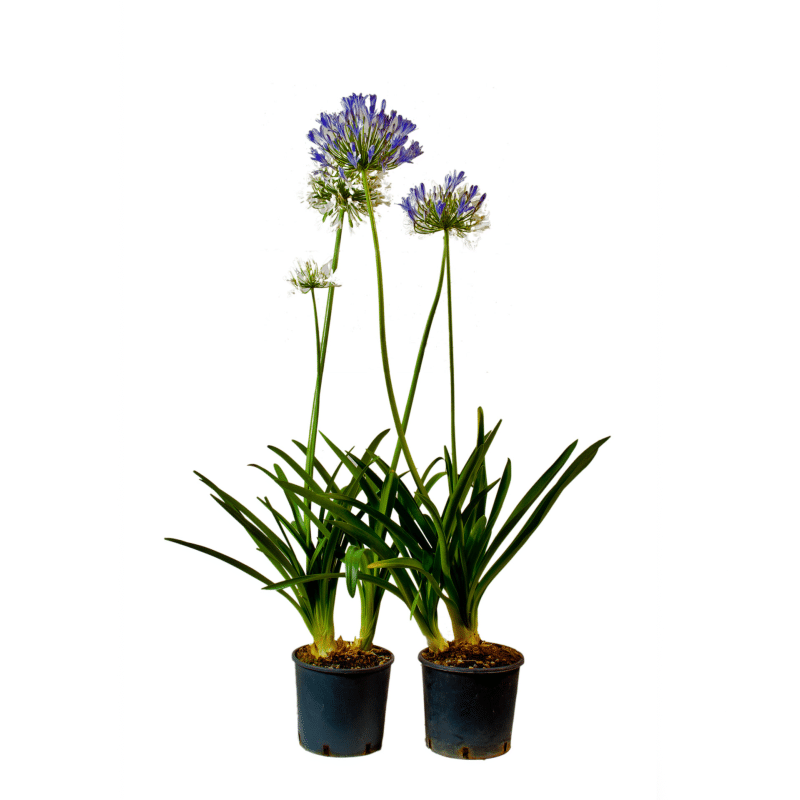
This clump-forming perennial produces long, strap-like green leaves and tall flower stems that bloom from late spring through summer. Remove spent flower stalks to encourage a tidy appearance, and divide overcrowded clumps every few years to maintain vigorous growth.
🪴 Potting Mix
Use a fertile, well-draining potting mix. Agapanthus performs particularly well when slightly root-bound, making it an excellent choice for pots and containers with good drainage.
🌿 Fertilizer
Feed with a balanced fertilizer in spring as new growth appears, then continue every 4–6 weeks during the flowering season. Avoid excessive nitrogen, as this encourages leafy growth at the expense of flowers.
🐕🐈 Pet Safety
Agapanthus is considered toxic to cats and dogs if ingested. The leaves and sap may also cause mild skin irritation in sensitive people and pets, so it’s best to keep the plant out of reach.
🌬️ Air Purifying
Agapanthus is primarily valued for its ornamental beauty rather than its air-purifying qualities. Its lush foliage and vibrant flowers help create a fresh, inviting outdoor space.